How Digital Payment Networks Shape Reward Distribution in Fresh Gaming Platforms
Gisela Günther · Sep 12, 2026
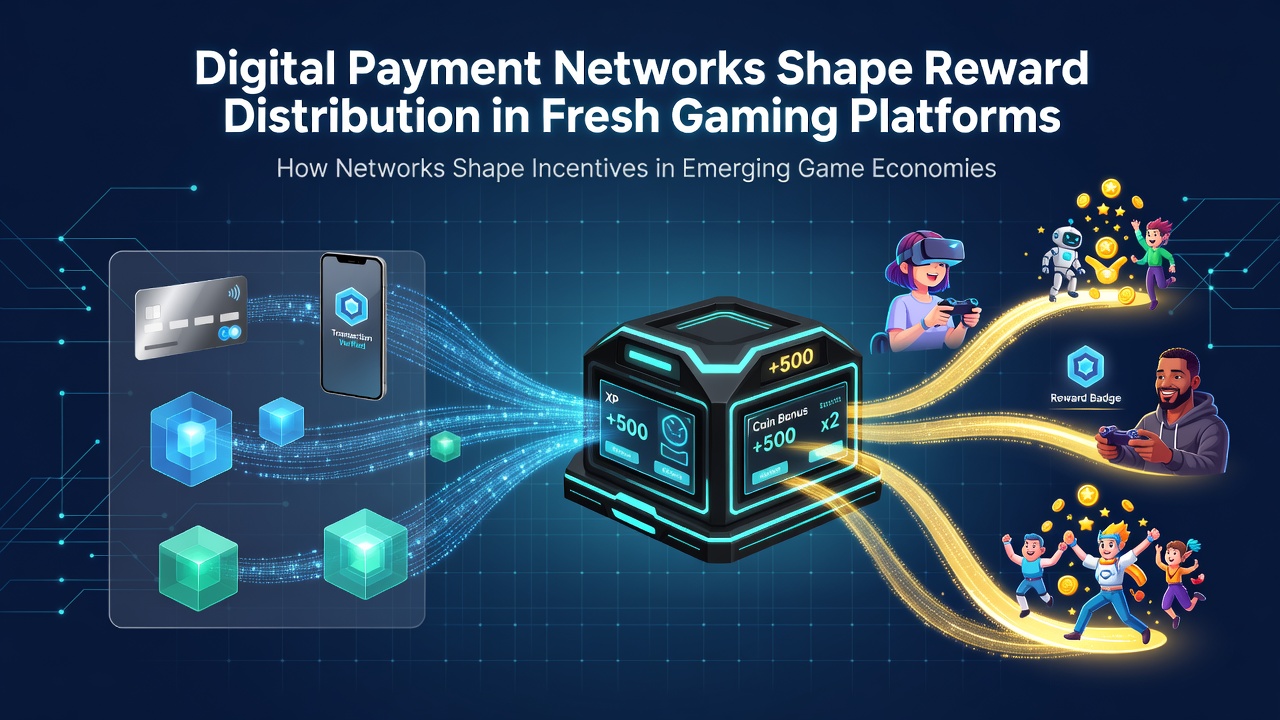
How Digital Payment Networks Shape Reward Distribution in Fresh Gaming Platforms
Digital payment networks determine how rewards reach players on new gaming platforms through transaction processing speeds, fee structures, and data routing protocols that influence bonus allocation timing and amounts. These networks handle everything from instant deposits to loyalty point conversions, creating pathways that platforms use to distribute incentives based on player activity levels and payment method preferences. Research from industry monitoring groups shows transaction volumes in digital gaming have grown steadily, with networks like Visa and Mastercard processing the majority of fiat-based rewards in many regions.
Transaction Processing and Reward Timing
Payment networks route funds through centralized ledgers that record each transfer, and this data flow allows platforms to trigger rewards immediately upon deposit confirmation rather than waiting for batch settlements that older systems required. Faster networks reduce the lag between a player funding an account and receiving matched bonuses or free spins, which means distribution happens within seconds instead of hours in many cases. Observers note that platforms built after 2023 often integrate real-time APIs from these networks to automate reward triggers tied directly to transaction success rates.
September 2026 brings updated interoperability standards from the European Payments Council that aim to standardize reward-linked transactions across borders, and these changes will likely affect how fresh platforms calculate and deliver cross-currency bonuses without additional conversion delays. Data from payment processor reports indicates that networks supporting instant verification see higher reward redemption rates because players receive incentives before they lose momentum in a session.
Fee Structures Influencing Bonus Allocation
Network fees vary by provider and transaction type, so platforms adjust reward percentages to offset costs associated with certain payment rails while offering higher incentives on lower-fee options like specific digital wallets. Studies from academic research centers reveal that platforms using lower-cost networks can redistribute saved fees into larger welcome packages or ongoing loyalty multipliers without cutting into operational margins. Those who've examined transaction logs across multiple sites find that crypto-based networks often enable smaller per-transaction fees, which supports more granular reward distribution such as micro-bonuses for frequent small deposits.
Regional Variations in Network Impact
North American platforms tend to rely on established card networks that impose stricter chargeback rules, and this shapes reward distribution by requiring platforms to hold portions of bonuses until funds clear fully. In contrast, platforms operating under Australian regulatory frameworks often integrate local instant payment systems that speed up reward crediting for verified users. Figures from the American Gaming Association highlight how these regional differences lead to varied bonus structures, with some areas favoring deposit-match rewards and others emphasizing free-play credits tied to network-approved methods.
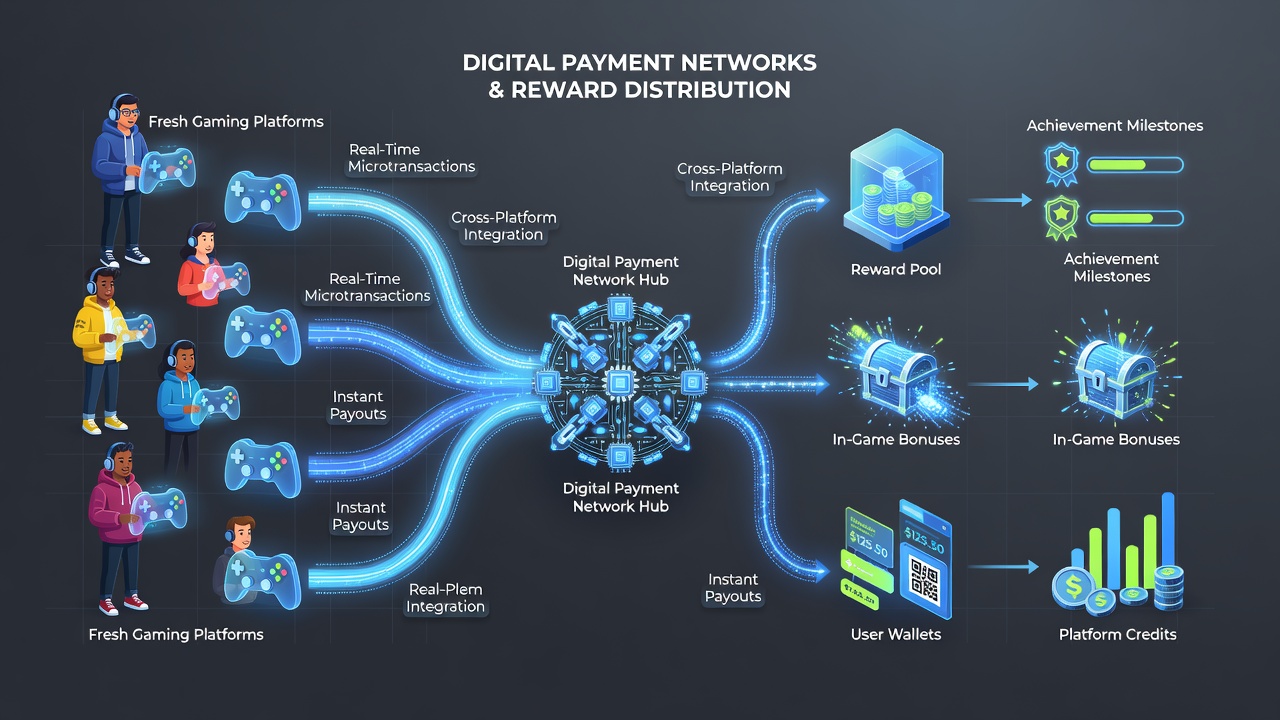
Security protocols embedded in modern payment networks add another layer to reward distribution because verified transactions receive priority processing that unlocks time-sensitive bonuses faster. Researchers at various institutions have documented cases where platforms tie progressive jackpots or streak rewards to successful authentication through networks that include biometric checks, reducing fraud-related clawbacks that once disrupted player accounts. This integration means rewards flow more reliably to legitimate activity while platforms maintain compliance with data protection rules in multiple jurisdictions.
Data Analytics Driving Targeted Rewards
Payment networks supply aggregated transaction data that platforms analyze to identify spending patterns and tailor reward offers accordingly, such as higher multipliers for users who consistently use certain methods. Reports from trade organizations show that this data-driven approach has increased average reward uptake by aligning incentives with actual payment behaviors rather than generic promotions. Fresh platforms launched in the past two years frequently employ machine learning models fed by network insights to predict which rewards will retain players longest, leading to more efficient distribution cycles that adjust weekly based on incoming data streams.
One study revealed that networks with advanced fraud detection allow platforms to release rewards sooner because risk assessments complete during the initial transaction, cutting the time players wait for bonus activation. Those who've reviewed platform case studies note that this reduces abandoned accounts and keeps reward budgets focused on active users instead of spreading thin across unverified ones. External links to authoritative sources like the American Gaming Association and the European Gaming and Betting Association provide further details on these trends across different markets.
Conclusion
Digital payment networks continue to refine the mechanics of reward distribution by combining speed, cost efficiency, and data capabilities that new gaming platforms leverage to create responsive incentive systems. As standards evolve into September 2026 and beyond, these networks will likely support even more precise allocation methods that tie rewards directly to verified player engagement across global operations. The patterns observed in current implementations suggest ongoing adaptation as platforms balance network requirements with player expectations for timely and relevant rewards.